€0.00
Checkout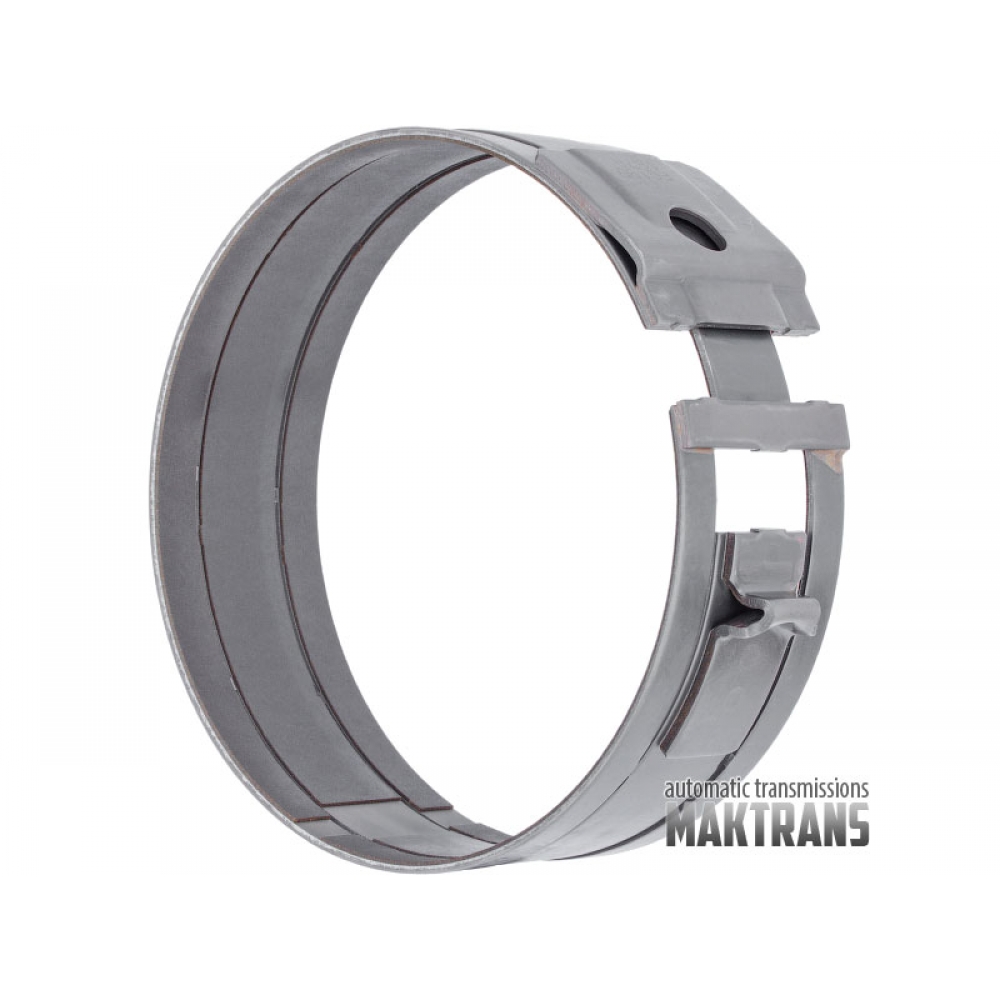
€20.79
 Shipping to United States from €47.27
Main Specifications
Condition (used, new):
Used and inspected
Width (mm):
60,3
Transmission Type (model):
AWTF-80SC, AWTF-81SC
If you order more than 46 pcs - shipping time will be longer at few days
| Stock Place: | Availability: | Qty: |
| Slovakia | 43 pcs. |
  |
| Poland | 3 pcs. |
|
| Ukraine | 29 pcs. |
|
- Product overview
- Shipping & Payment
- Questions - Answers (0)
- Gearbox works better with (14)
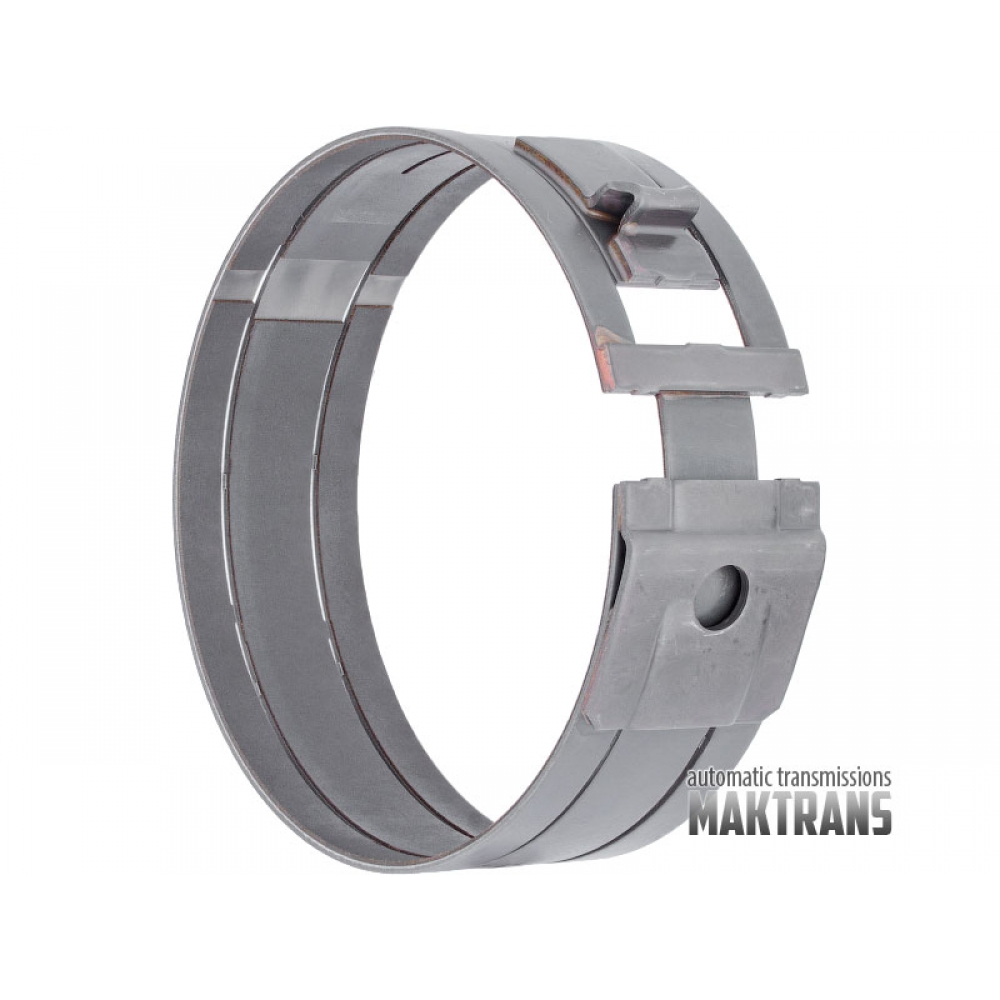
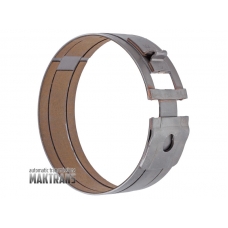
Brake band - a device by means of which planetary gear set elements are blocked.
Despite its small size, the band has a sufficiently strong holding power. As the brake shoe, the band uses the effect of "self squeezing". When the band is released, push of the gear shift is mitigated. When the band is released - it seeks to free itself quickly.
Basic features of the brake band:
- A large holding capacity despite its small size;
- Locking of planetary train rotating elements on the automatic transmission case;
- softening jerks and thumps when shifting.
The principle of operation of the brake band.
One end of the brake band is fixed motionless on the automatic transmission housing and the other is attached to the piston servodrive (actuator). The band is driven by a hydraulic cylinder located inside the automatic transmission. Blocking is performed by feeding oil into the chamber enabling the servo. The piston actuator under oil pressure squeezes the brake band blocking planetary gear set part.
Unlocking is performed by applying oil to the servo chamber, thereby equalizing the oil pressure in the two cavities. When the piston moves the actuator return spring to its initial position, the brake band is released
![Rubberized piston Aisin Warner TF-80SC (AF40), TF-81SC (AF21) C2 Clutch (4-5-6 CIutch) [OD 157 mm X ID 57.20 mm X TH 27 mm]](https://maktrans.net/image/cache/catalog/easyphoto/28857/oborezinennyy-porshen-aisin-warner-tf-80sc-af40-tf-81sc-af21-c2-clutch-4-5-6-ciutch-od-157-mm-x-id-57-20-mm-x-th-27-mm-1-228x228.jpg)
![Brake band drum 3-5-R TF-80SC AW TF-81SC empty, without plates [drum for 4 friction plates]](https://maktrans.net/image/cache/catalog/easyphoto/27126/baraban-tormoznoy-lenty-3-5-r-tf-80sc-aw-tf-81sc-pustoy-bez-diskov-baraban-pod-4-friktsionnyh-diska-2-228x228.jpg)