
€0.00
Checkout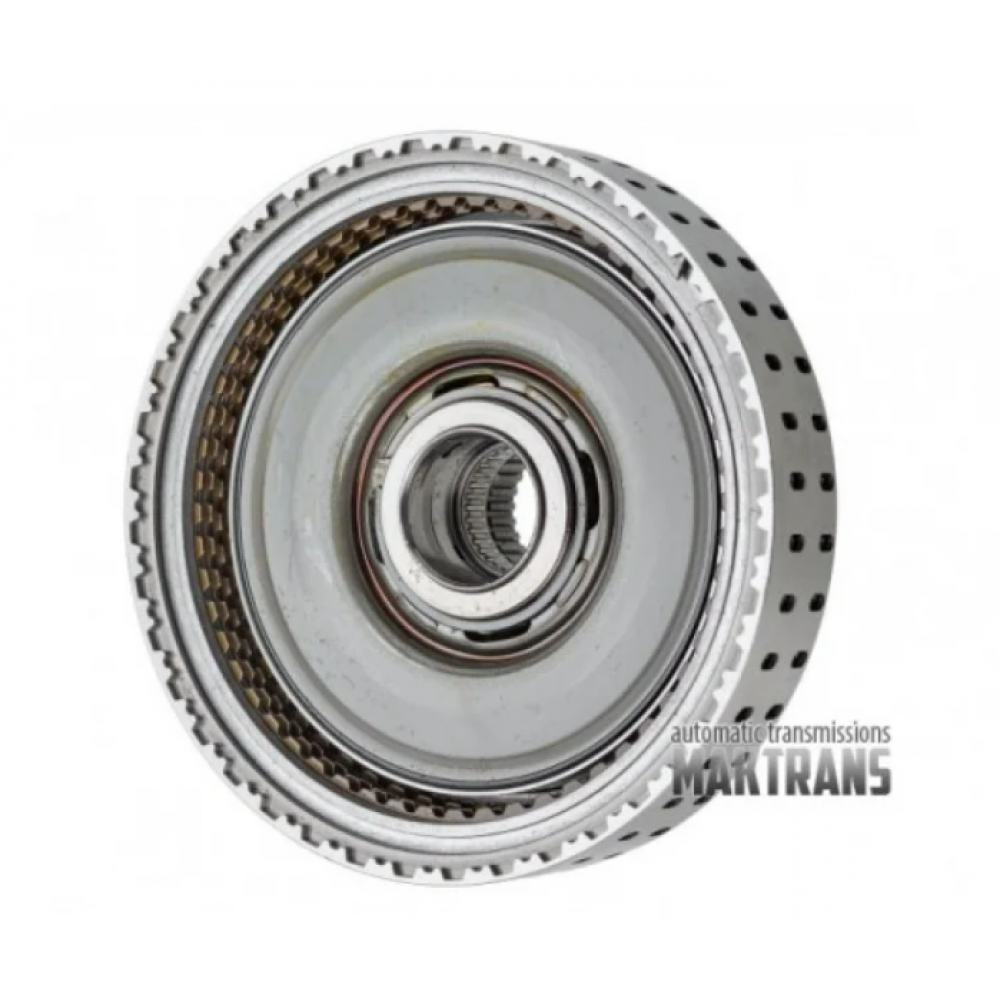
€0.90
 Shipping to United States from €271.47
Main Specifications
Condition (used, new):
new
Diameter:
122
Transmission Type (model):
U660E
If you order more than 215 pcs - shipping time will be longer at few days
| Stock Place: | Availability: | Qty: |
| Slovakia | 215 pcs. |
  |
| Ukraine | 810 pcs. |
|
- Product overview
- Shipping & Payment
- Questions - Answers (0)
Repairing Hydraulic Blocks: A Comprehensive Guide
Hydraulic blocks, also known as valve bodies, are crucial components in automatic transmissions. They control the flow of hydraulic fluid to various parts of the transmission, ensuring smooth gear shifts and optimal performance. Over time, these components can wear out or become damaged, necessitating repair or replacement.
The repair process begins with a thorough inspection. Technicians disassemble the hydraulic block, meticulously examining each component for signs of wear or damage.
Common issues include:
- Clogged passages
- Worn valves
- Damaged seals
Once identified, these problems can be addressed through cleaning, machining, or part replacement.
Cleaning is a critical step in the repair process. Specialized solvents and ultrasonic cleaning methods are used to remove debris and contaminants from the hydraulic block. This ensures that the fluid can flow freely through the system, preventing future blockages and ensuring efficient operation.
Machining may be necessary if the hydraulic block has suffered significant wear. This involves reshaping or resizing components to restore their original specifications. Skilled technicians use precision tools to ensure that each component fits perfectly, maintaining the integrity of the hydraulic system.
Finally, any damaged or worn parts are replaced. This may include:
- Valves
- Springs
- Seals
High-quality replacement parts are essential to ensure the longevity and reliability of the repair. Once reassembled, the hydraulic block is tested to ensure it functions correctly under various conditions.
Repairing hydraulic blocks requires expertise and attention to detail. By addressing issues promptly and using quality parts, technicians can restore the performance of automatic transmissions, extending the life of the vehicle and ensuring a smooth driving experience.