
€0.00
Checkout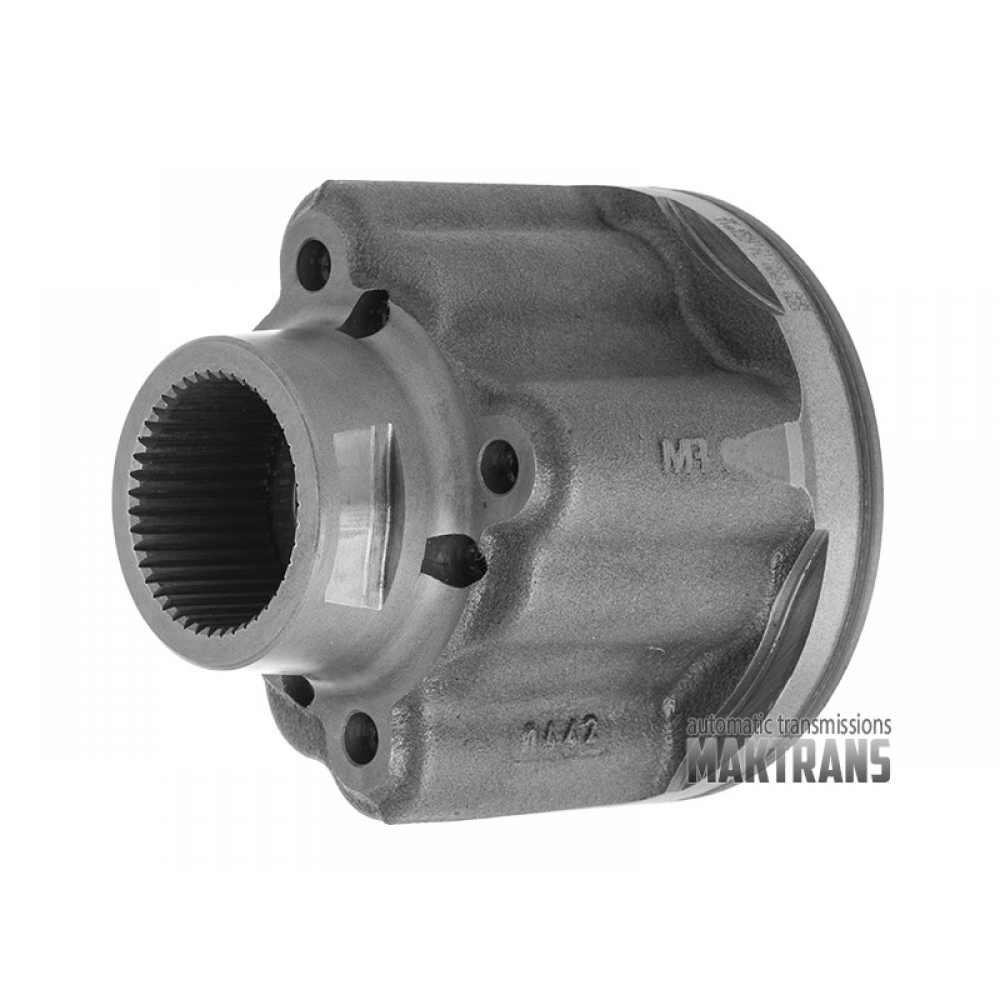
€179.10
 Shipping to United States from €87.8
Main Specifications
Condition (used, new):
used and inspected
If you order more than 8 pcs - shipping time will be longer at few days
| Stock Place: | Availability: | Qty: |
| Slovakia | 6 pcs. |
  |
| Poland | 2 pcs. |
|
| Ukraine | 22 pcs. |
|
- Product overview
- Shipping & Payment
- Questions - Answers (0)
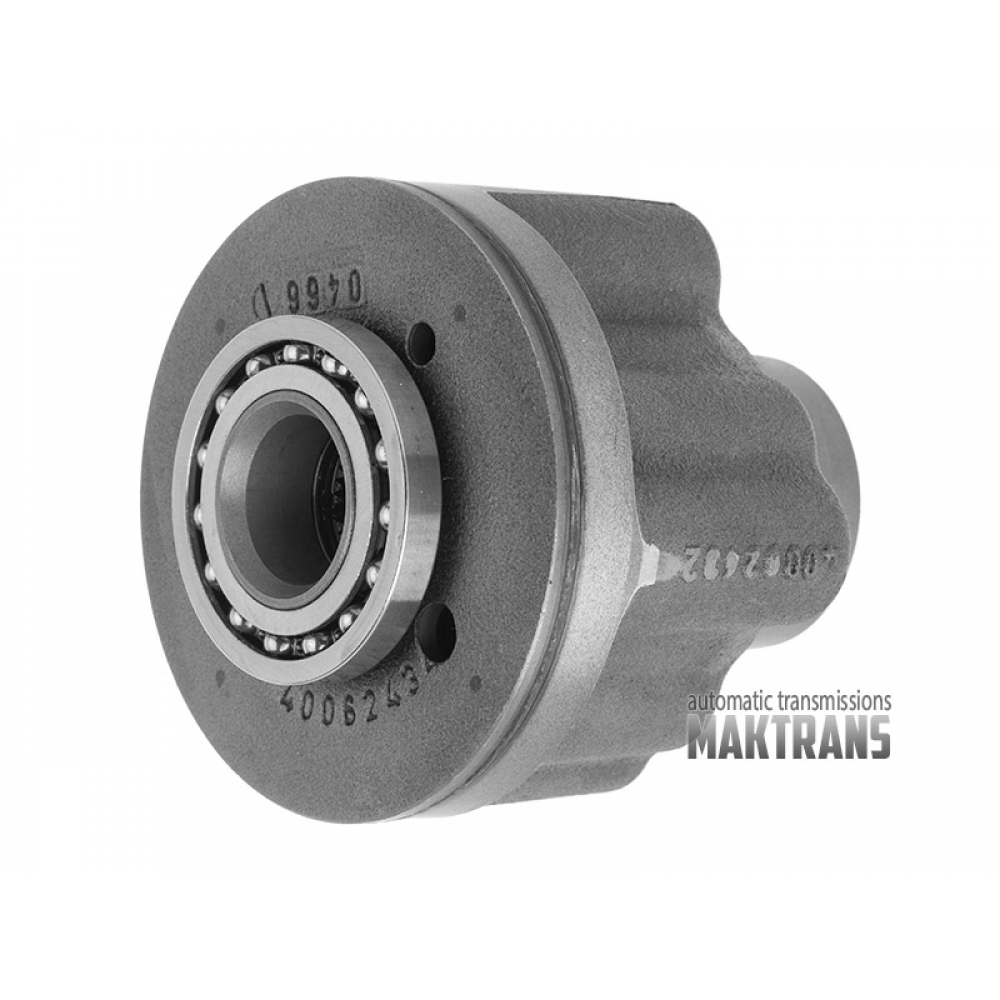
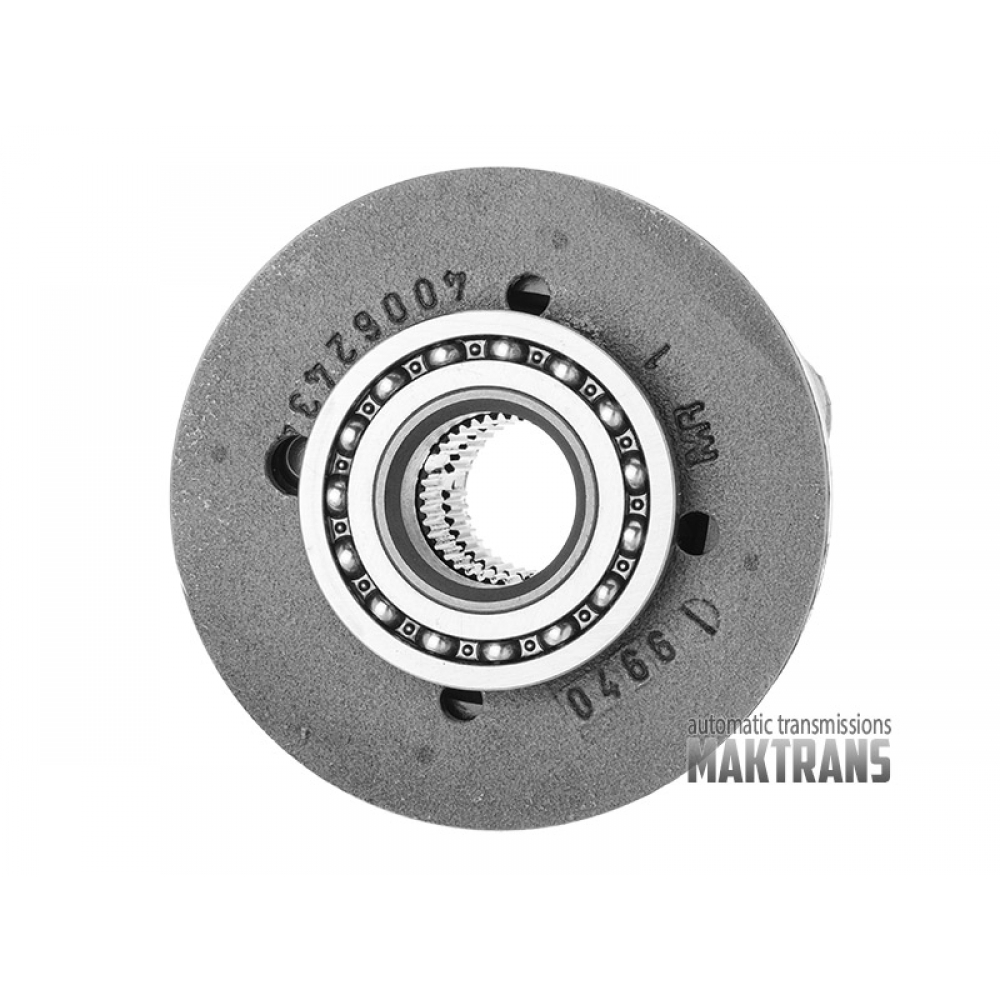
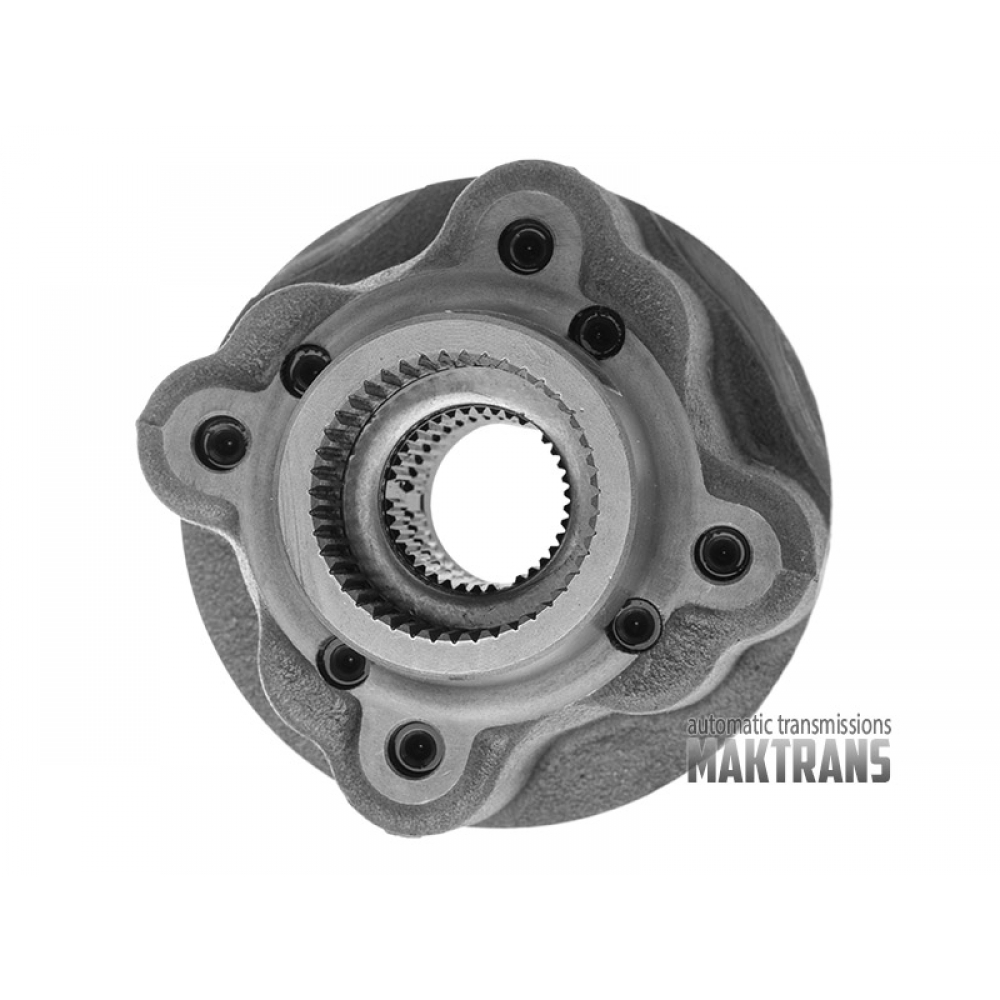
Center differential TORSEN (Type B) AUDI ZF 8HP55A 8HP65A (4 satellites)
With the debut of the Audi 80 quattro in the fall of 1986, Audi introduced a new center differential that was still strictly mechanical but highly efficient. The name Torsen was an abbreviation for "torque" and "sensing." (feeling). The Torsen differential has already established itself in the world of technology as a high-tech rear axle differential, Audi developed it for use as a center differential.
The principle of operation of an interaxle worm differential.
If the wheels of the car have good grip on the road surface and move smoothly, then the torque between the axles is distributed equally. With a sharp increase in torque, the driving worm gears try to start moving in the opposite direction. The driven gears are overloaded, the output shafts are blocked, and the excess torque from the machine's engine is transferred to the other axle. An interwheel self-locking worm differential is activated when one of the wheels slips. When slipping, torque drops on one wheel, Thorsen locks up and transfers torque from the car engine to the other wheel. In this case, the blocking of the skid wheel is partial, and the degree of blocking depends on how much the torque value has decreased. The Torsen limited-slip differential can distribute torque to a maximum of 7: 1 (86%: 14%).
![Electronic control unit with solenoid block GM 6T70E 6T75E [GEN1] 24261875 removed from CHEVROLET Traverse/Acadia/Enclave (AWD) 2013](https://maktrans.net/image/cache/catalog/DD-3111-228x228.jpg)