€0.00
Checkout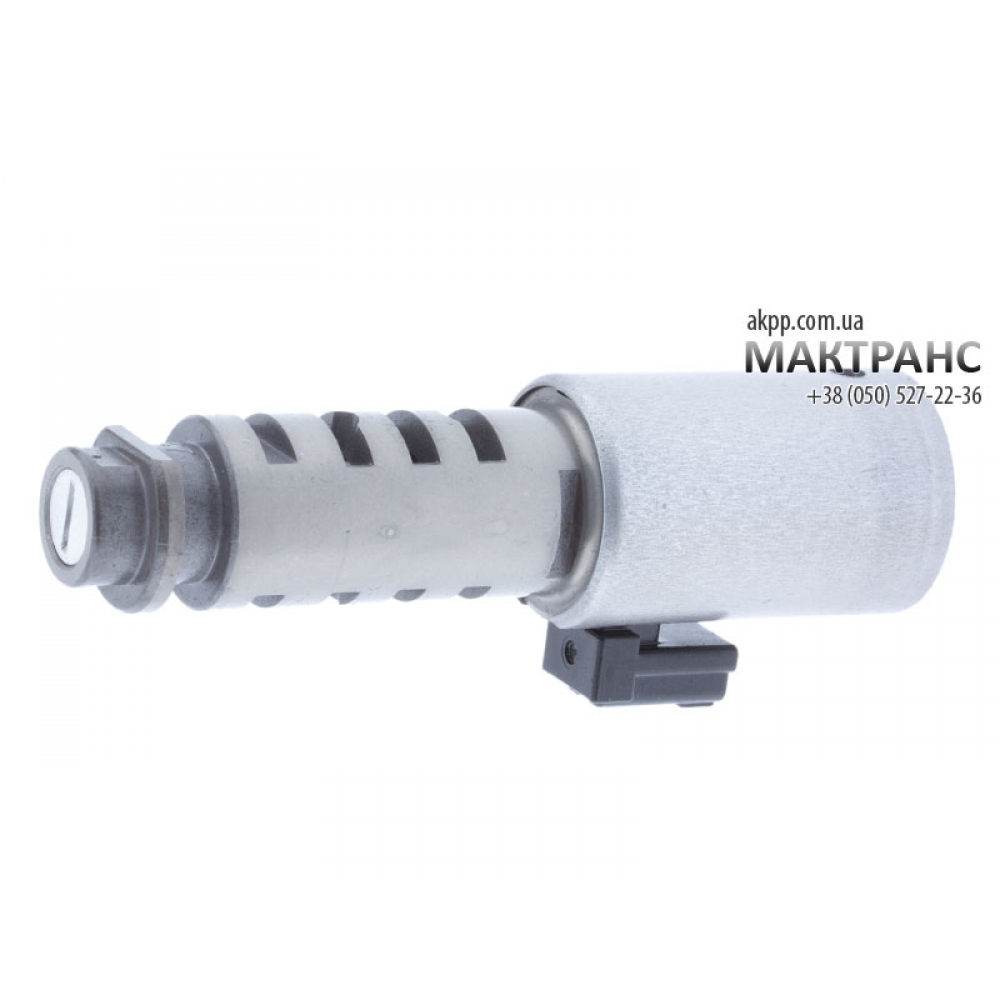
€27.00
 Shipping to United States from €47.27
Available Options
| Stock Place: | Availability: | Qty: |
| Ukraine | 1000 pcs. |
  |
- Product overview
- Shipping & Payment
- Questions - Answers (0)
- Gearbox works better with (1)
U660E (U660F - four-wheel drive version) - a modern 6-speed automatic transmission, developed in 2006 by the Japanese company Aisin Warner, installed on the front and all-wheel drive Toyota (Camry, Avalon, Sienna) and Lexus (ES350, RX350) cars with engines from 2.2 to 3.5 liters. In our market it is mainly found on the Toyota Camry V40 3.5L and Lexus ES350.
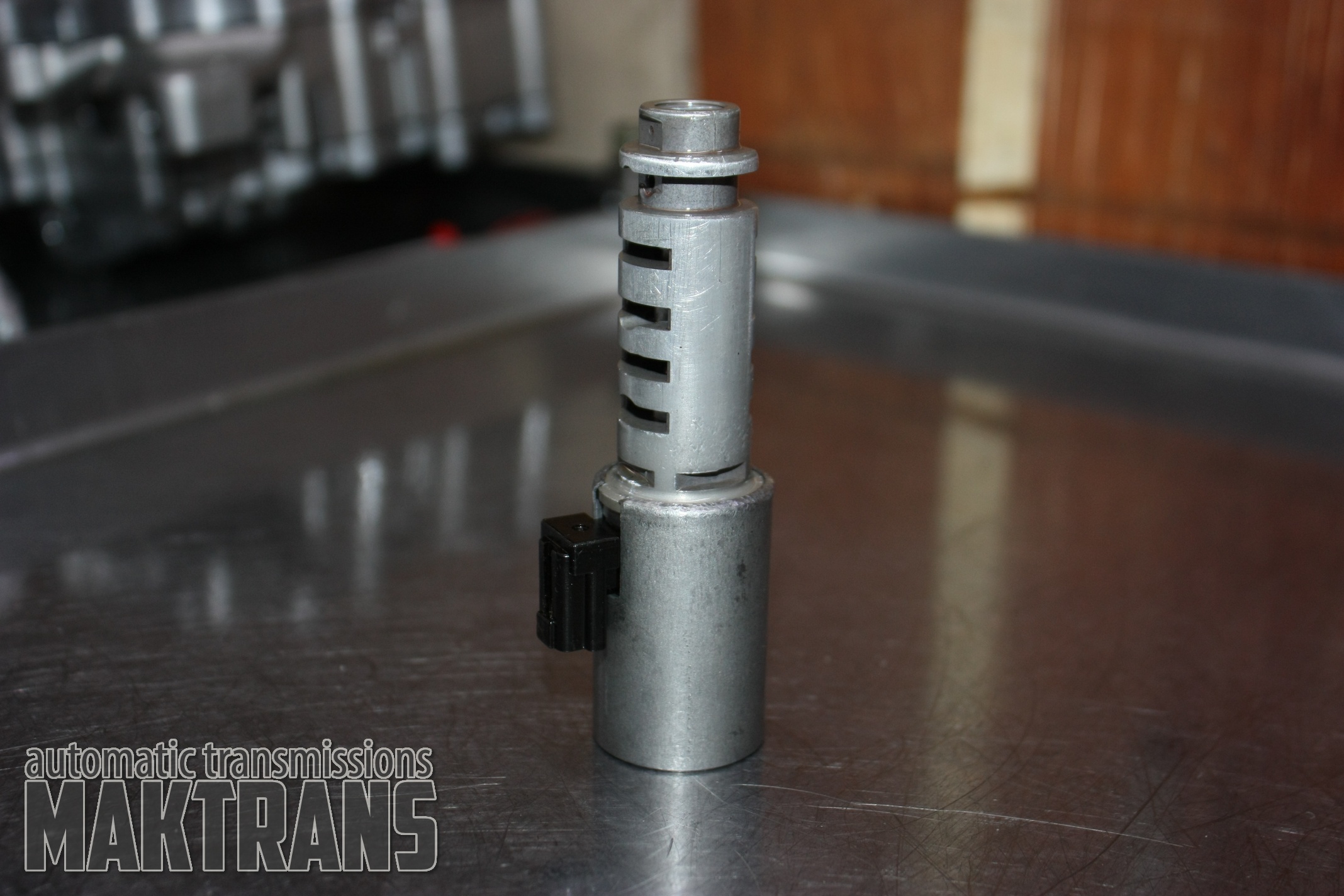
Previously, we talked in detail about the repair of the U660 valve body, you can read about it here. Now we will take a closer look at such aspect of repair as checking and repairing valve body solenoids. Solenoids are electromagnetic valves that are installed in the housing of the valve body and redirect the oil flows to the necessary packs, thereby ensuring gear shifting. Structurally, the solenoid consists of a coil, a core and a valve that operates in the "tip" of the solenoid.
Solenoid SL2 U660E
 |
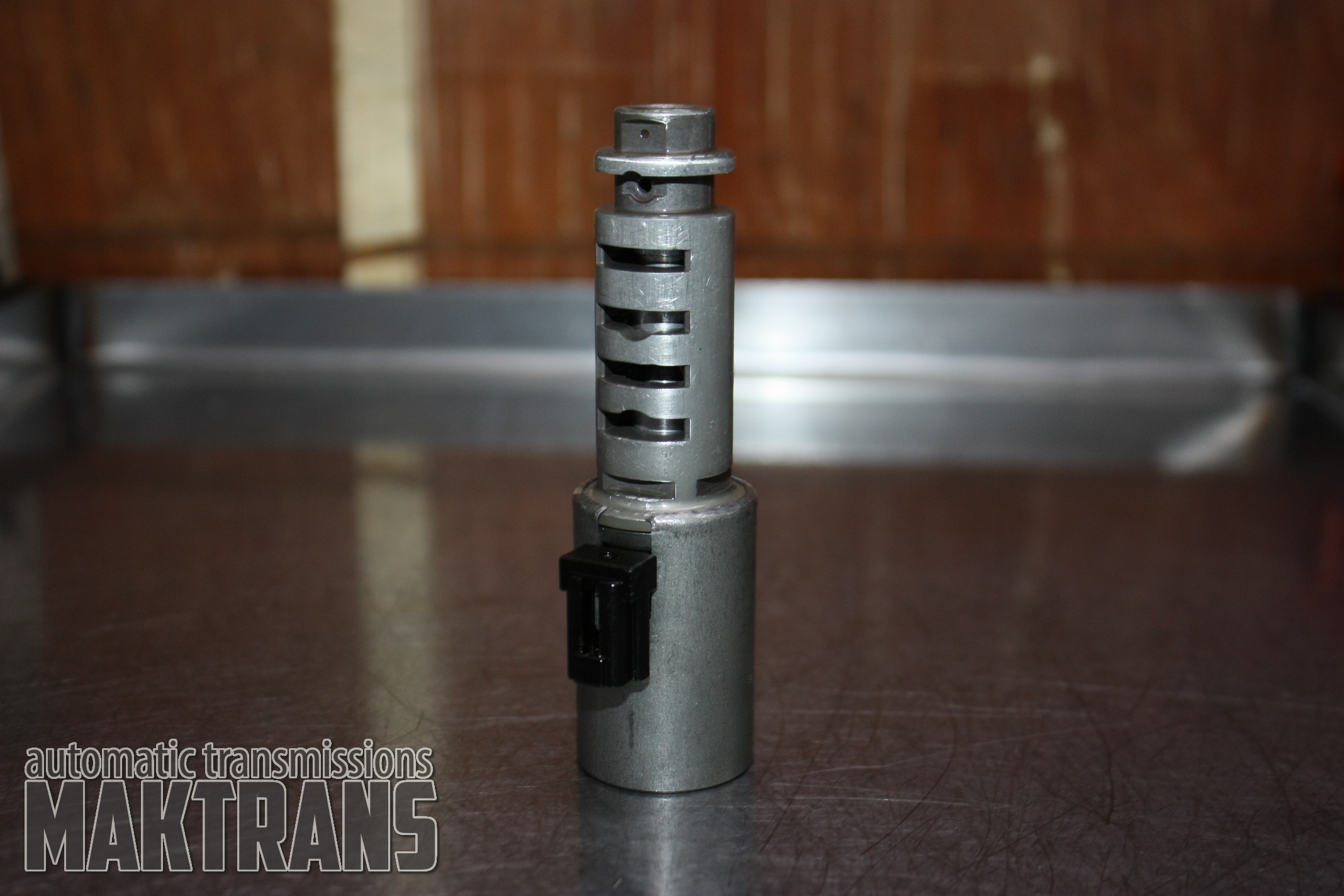 |
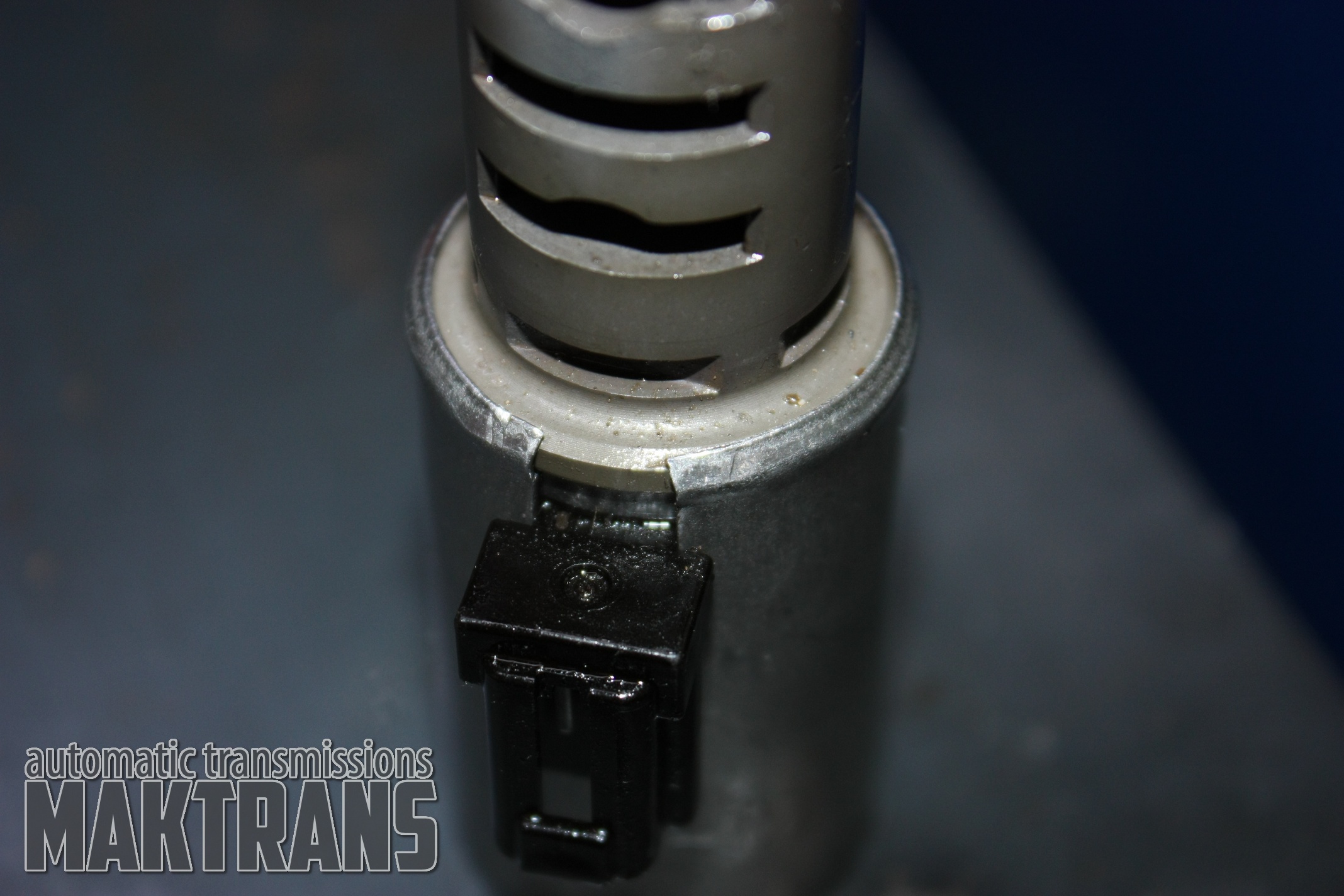
The main reason for which the solenoid fails - wear out and scratches on the plunger. The plunger starts to wedge and get stuck in the process of work, sometimes it happens only on cold or only on hot, sometimes in any conditions. Wear out can be seen visually through the oil channels in the tip - see the photo below.
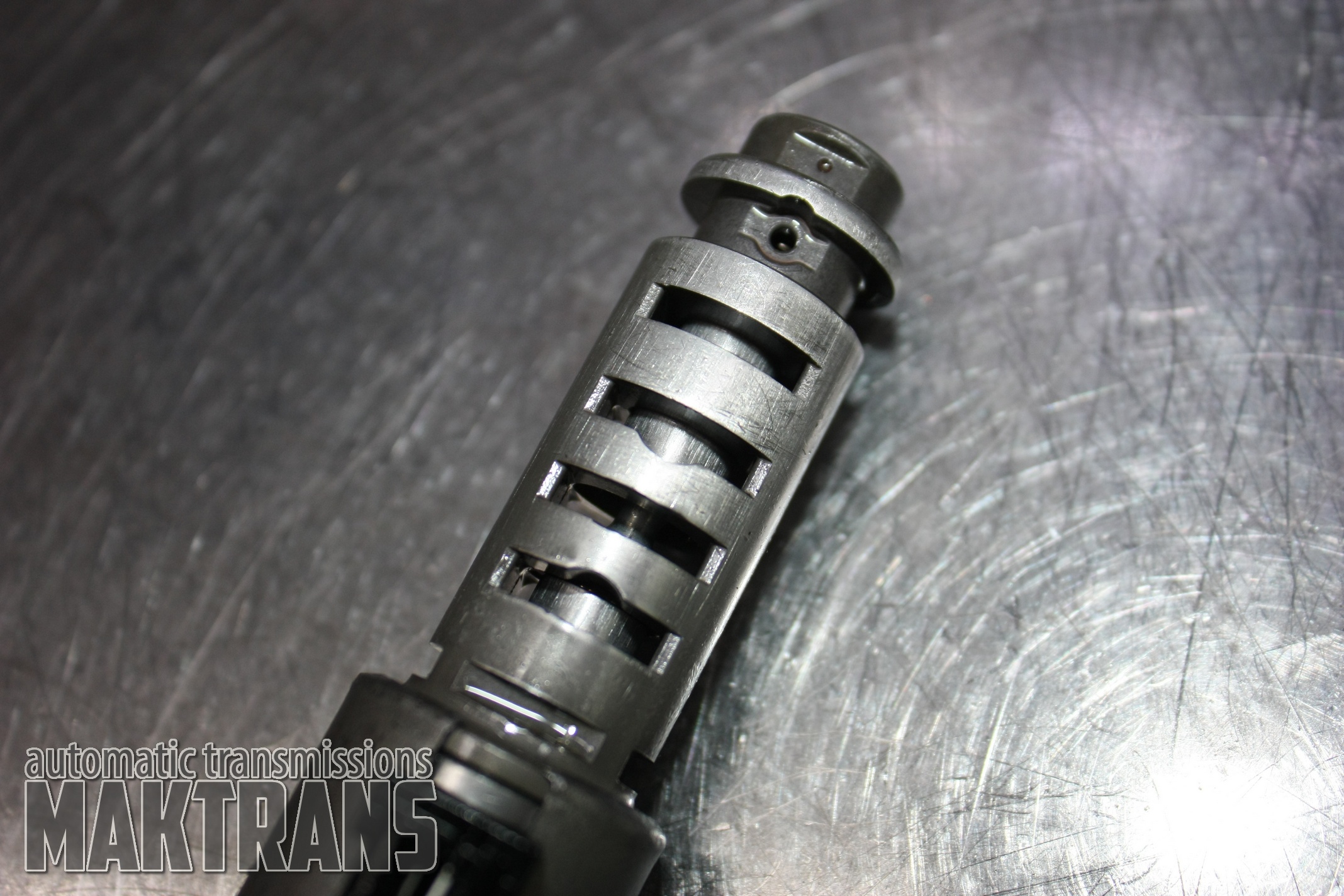
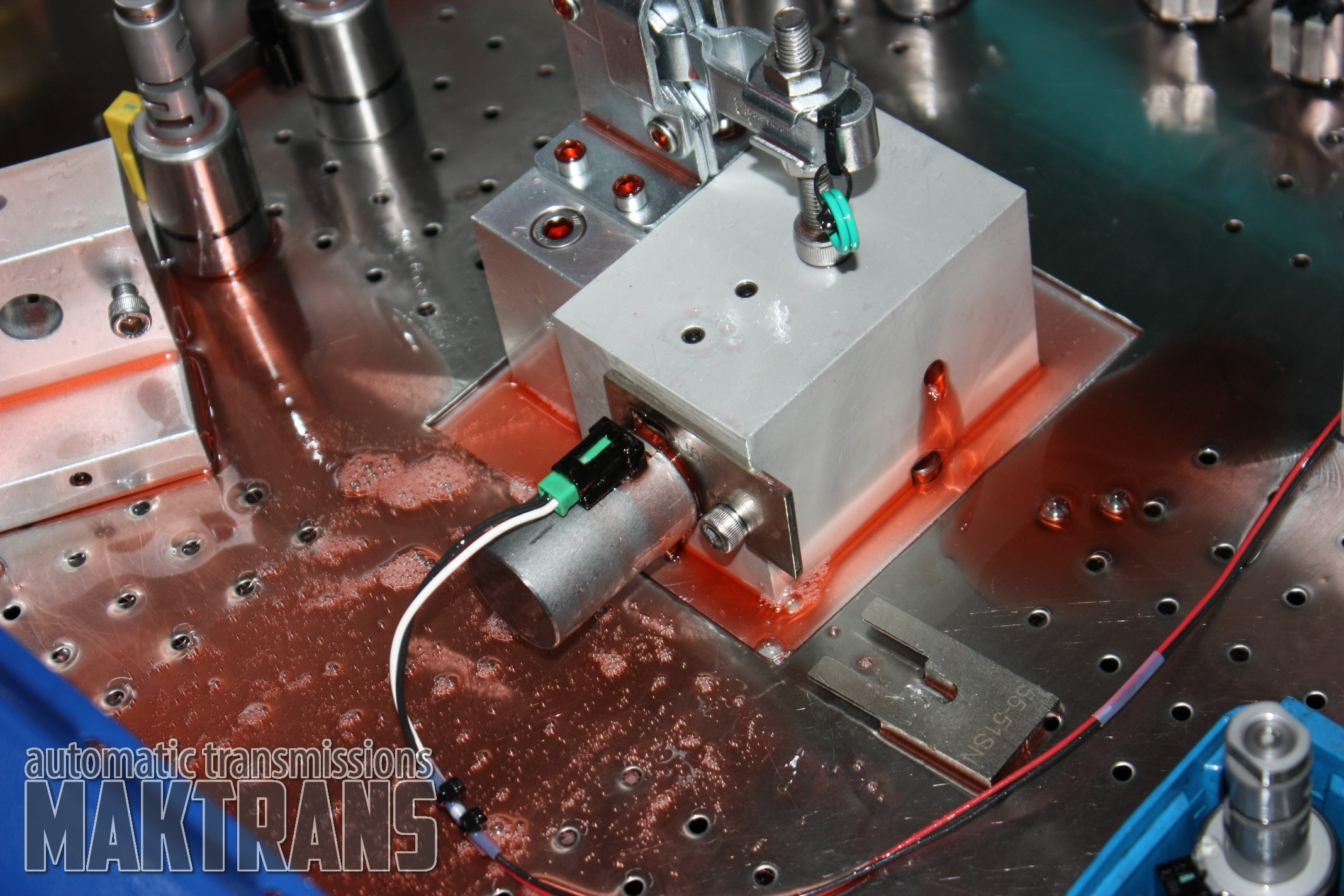
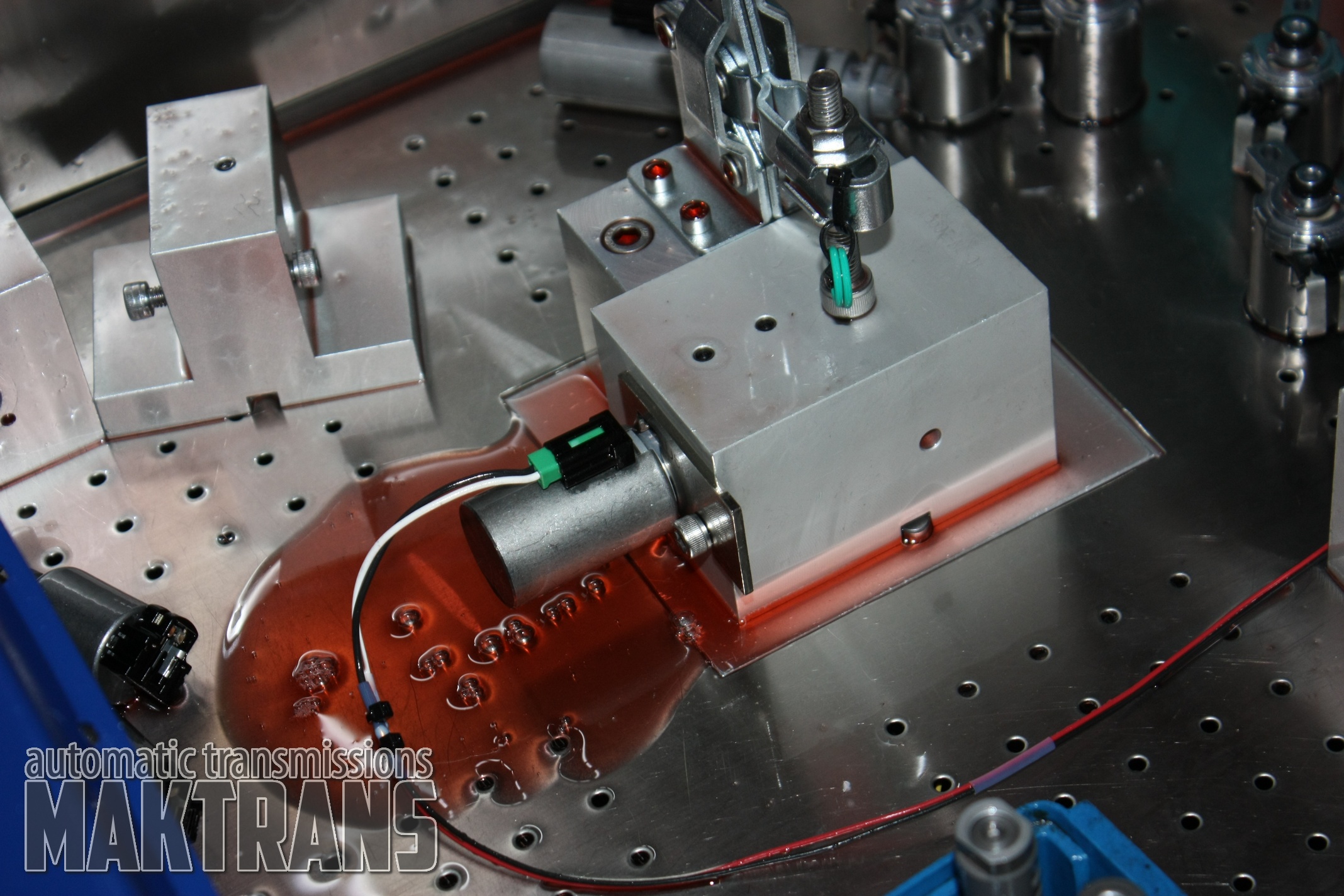
In this case, situations are possible when a solenoid with such a plunger will work perfectly, therefore, a truly reliable method for diagnosing a solenoid is only one, it is testing on a special stand. The stand allows you to simulate the operation of the solenoid in real operating conditions by applying a PWM signal to the solenoid, changing the pressure and temperature of the oil.
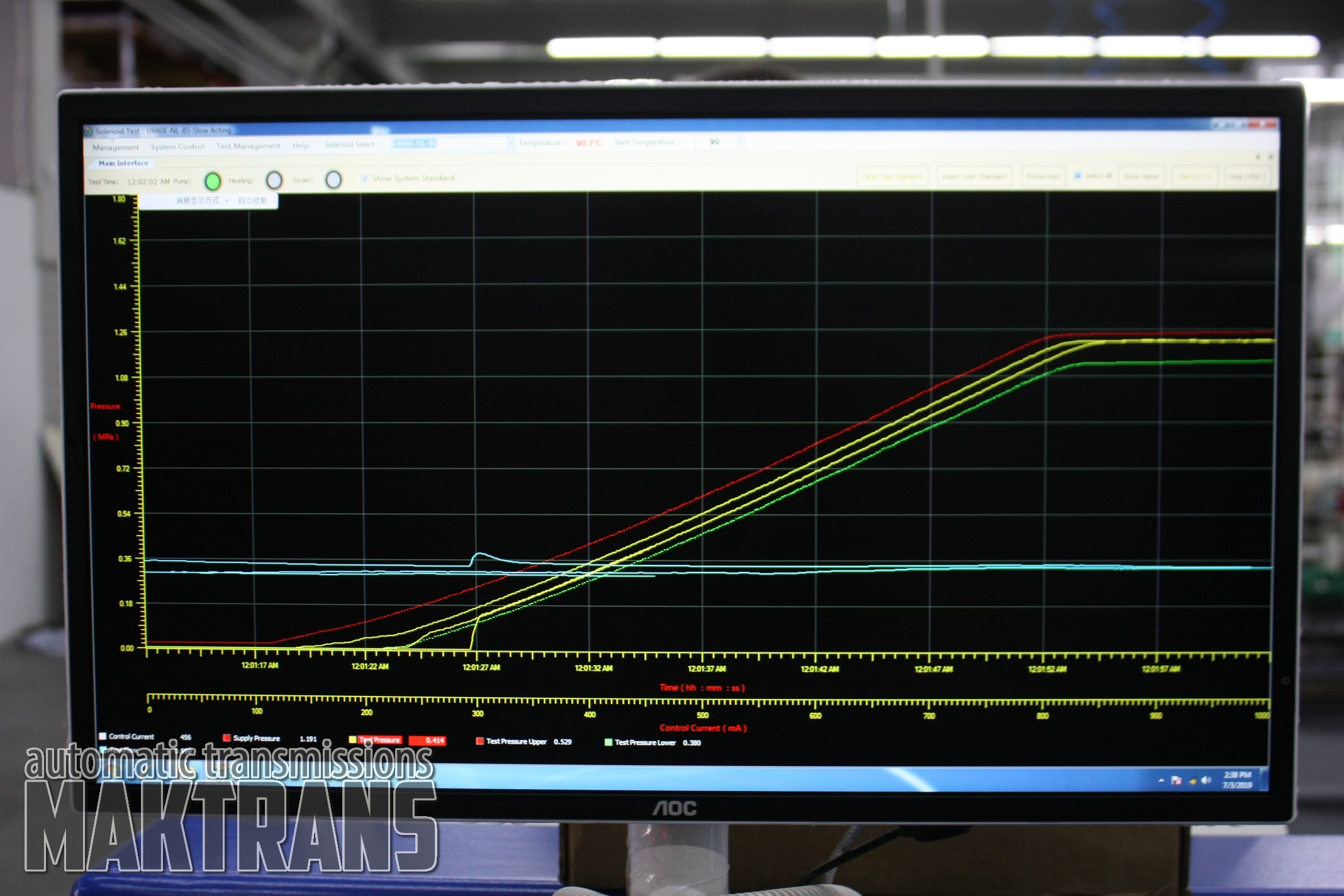
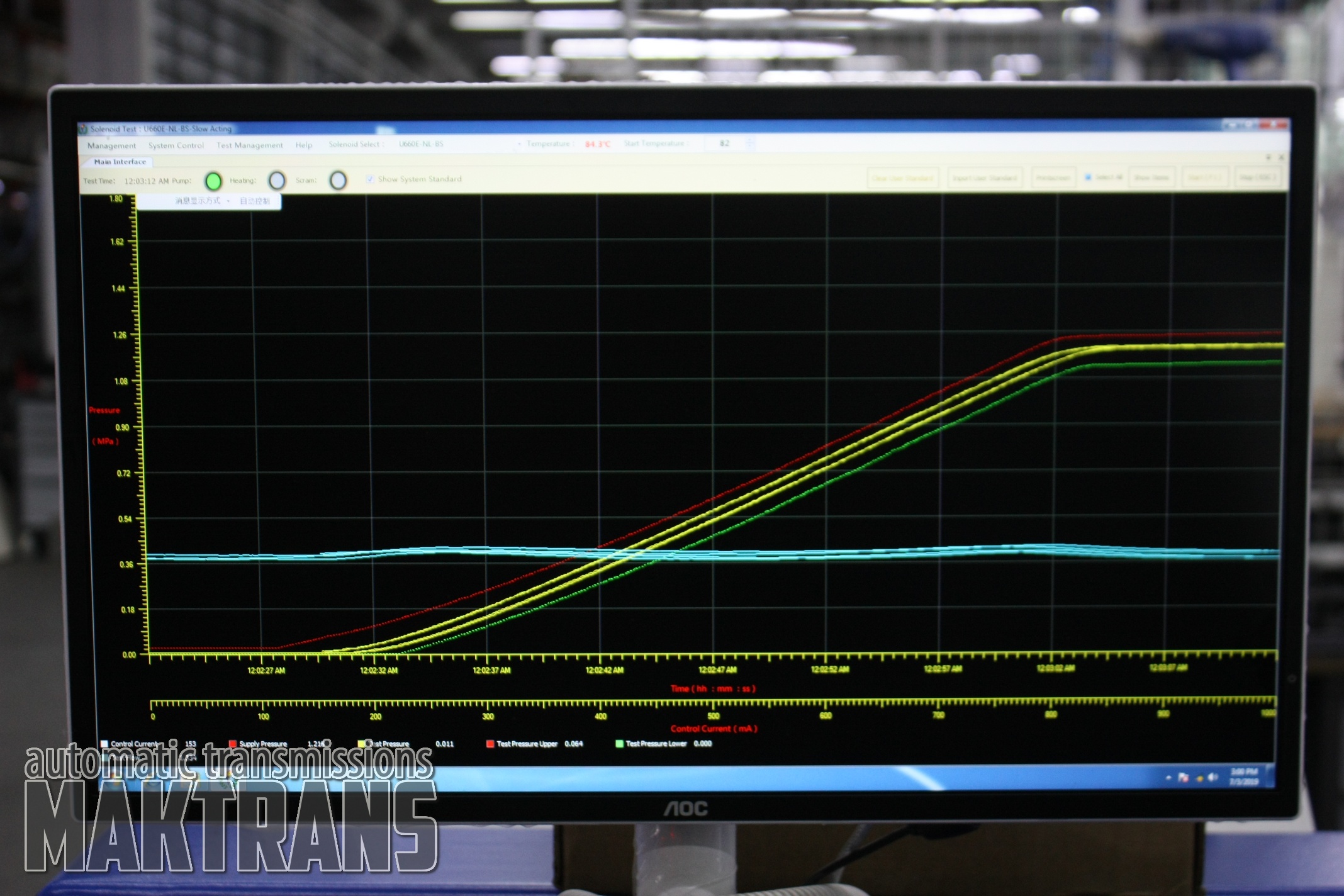
Let us install the solenoid in the stand and test. The graph at the beginning shows the failure, which indicates the jamming of the plunger. This will be expressed in thumps or slips of the car, depending on the type of solenoid and its location in the valve body.
 |
 |
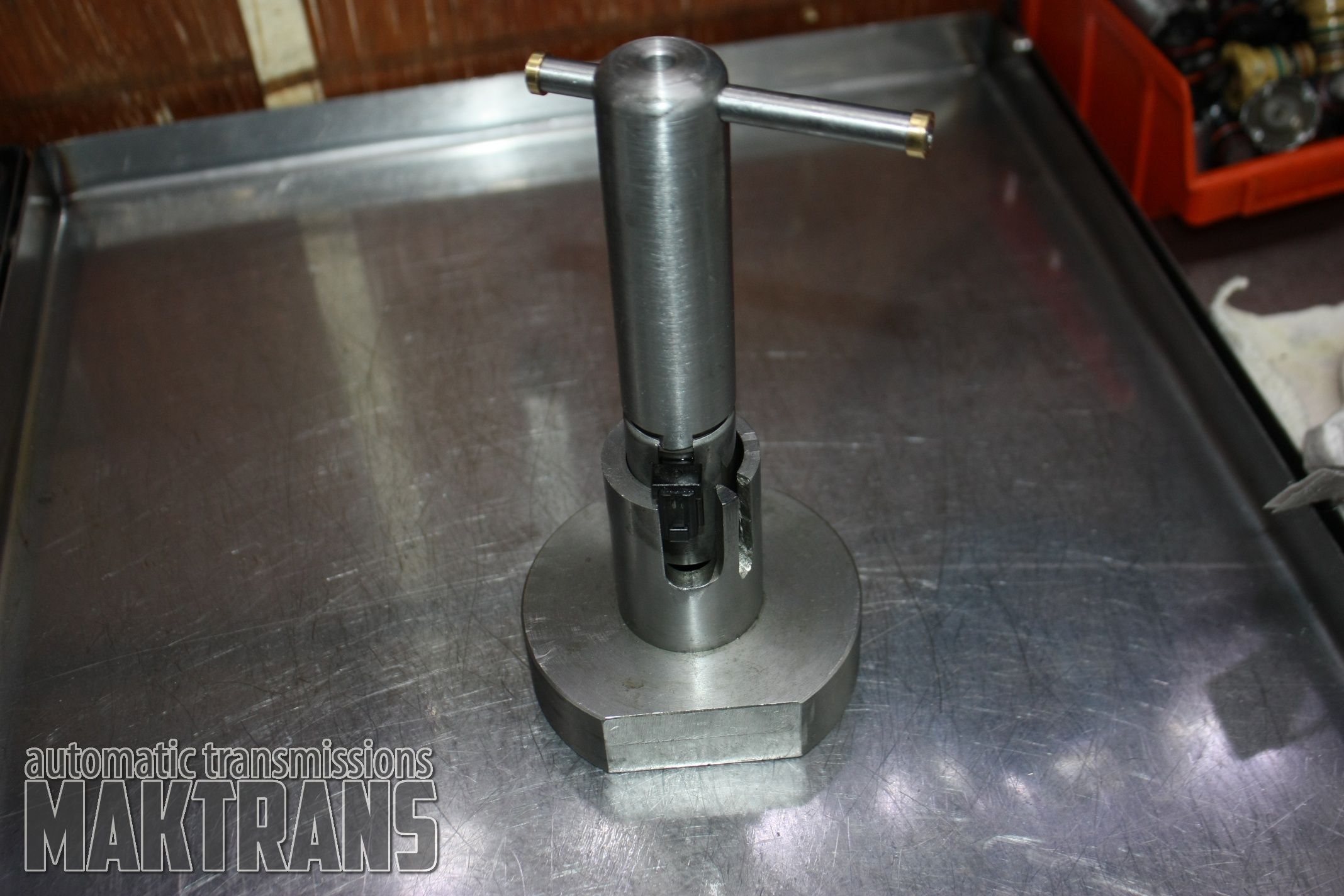
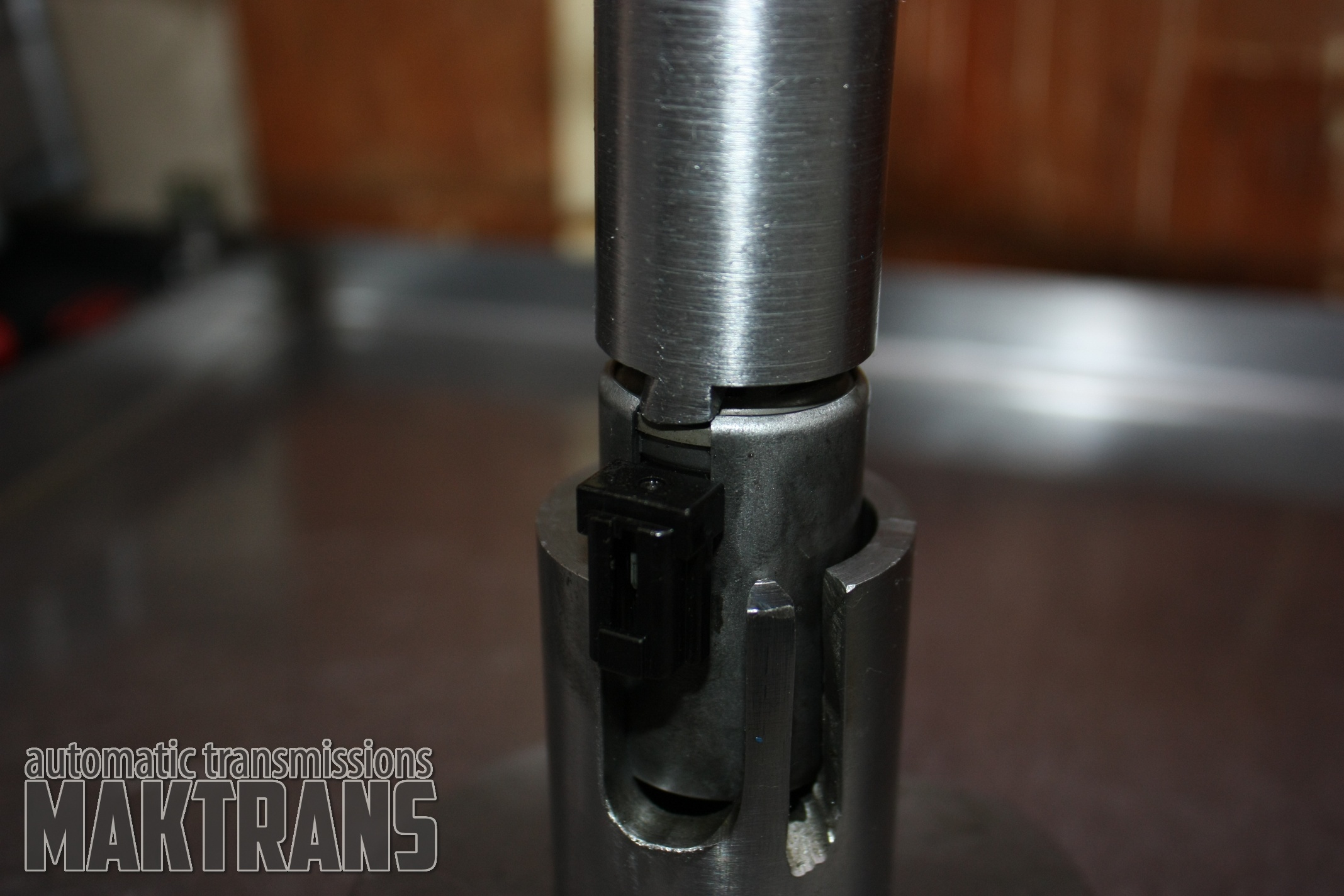
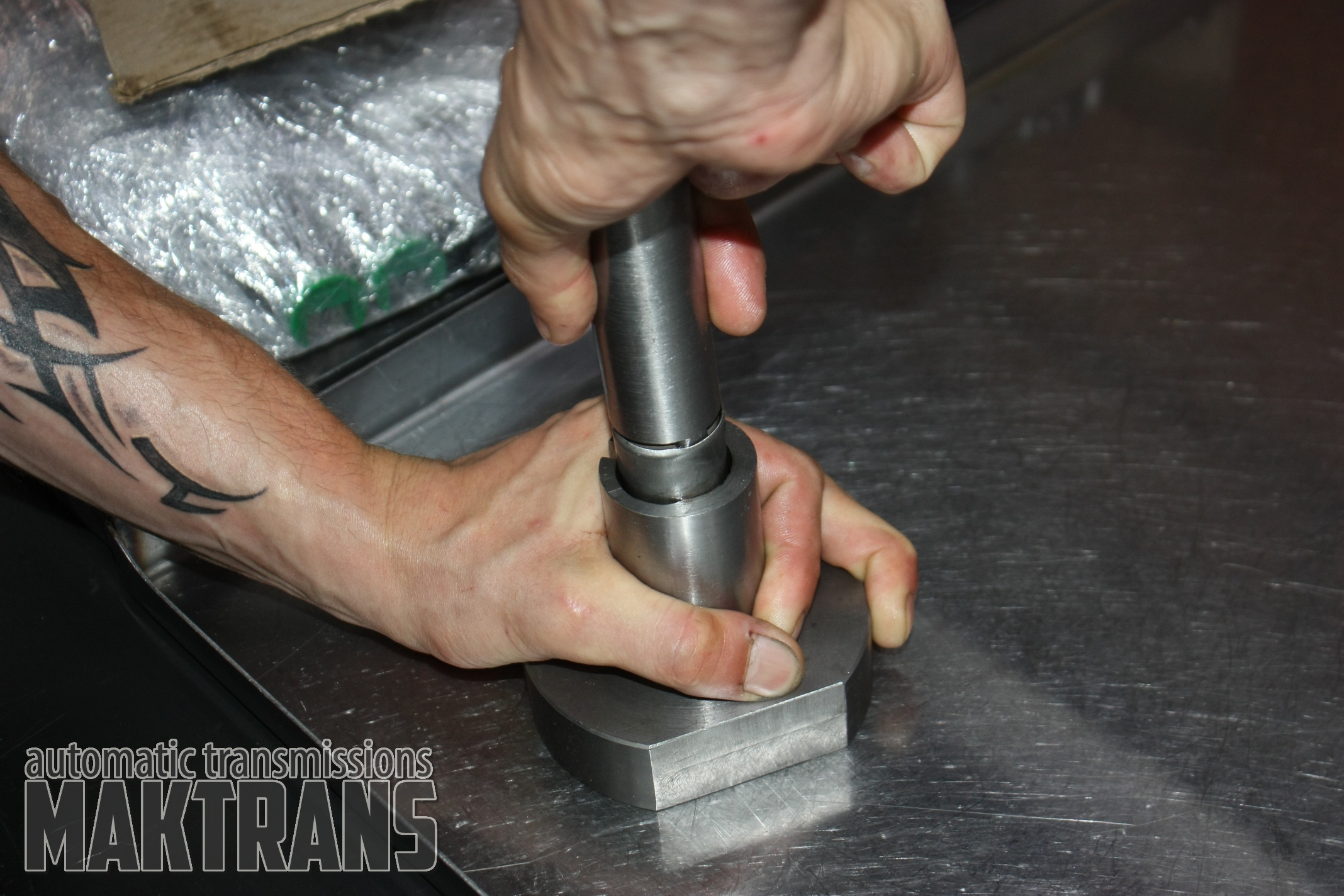
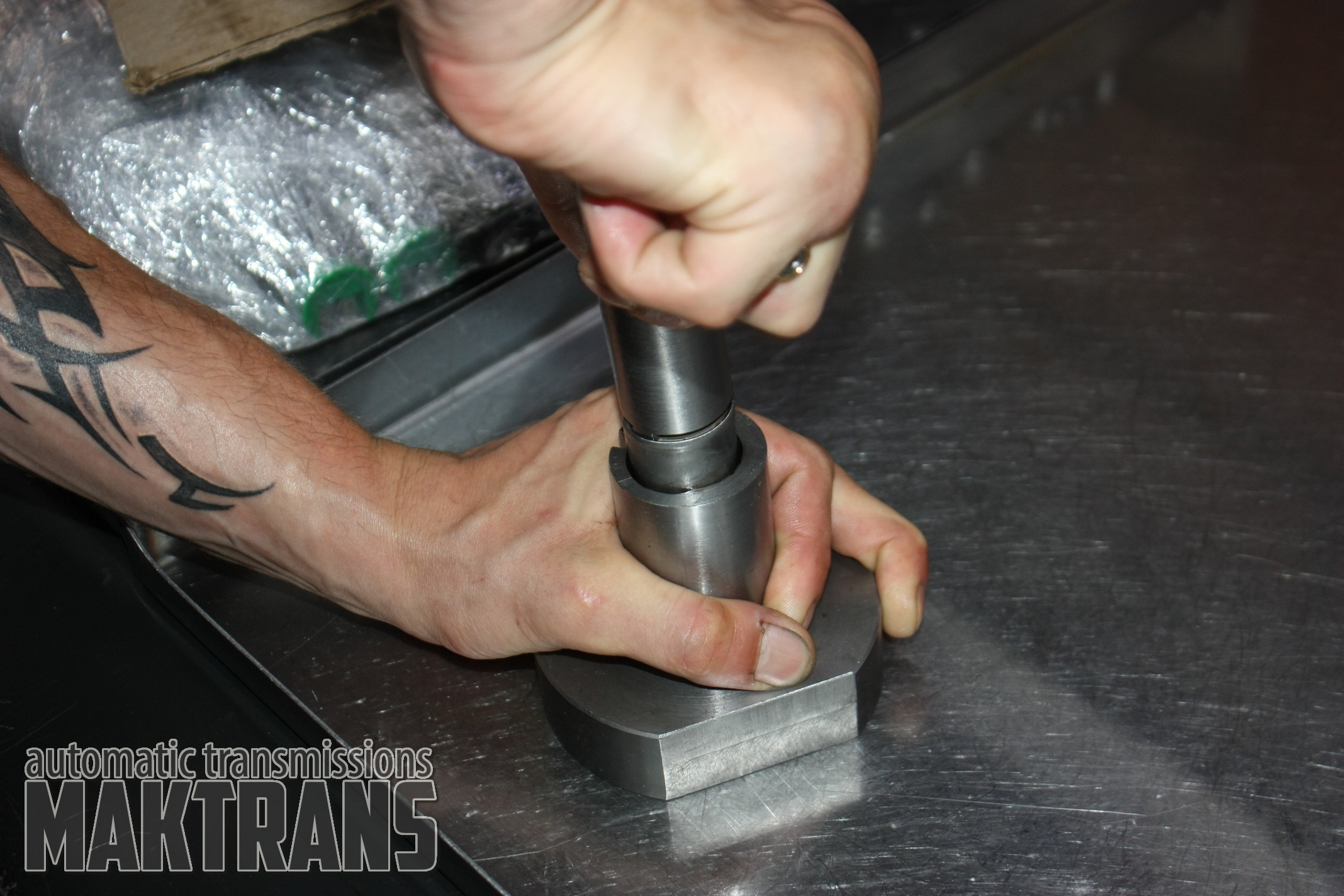
Disassembling of solenoid using a special tool.
 |
 |
 |
 |
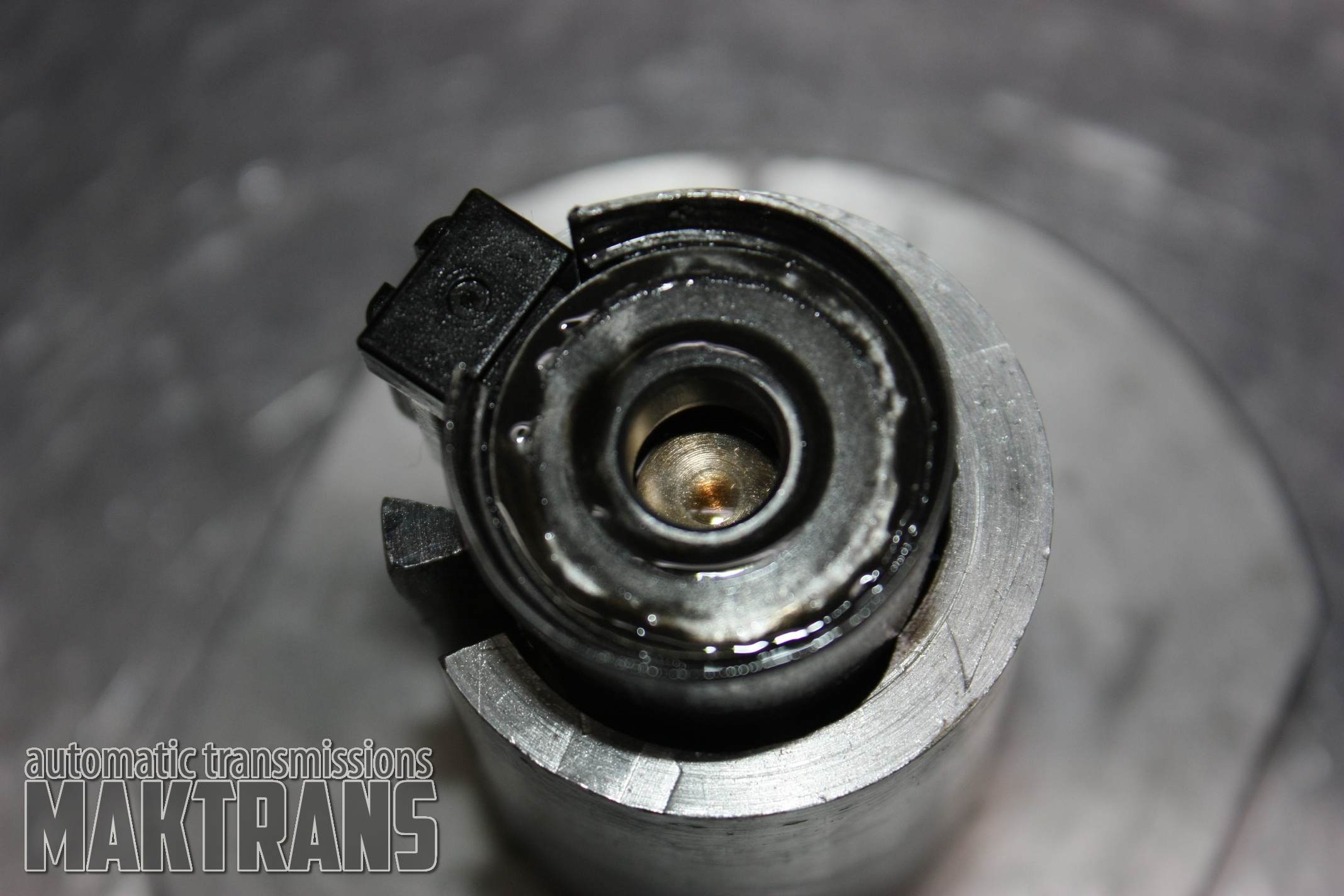
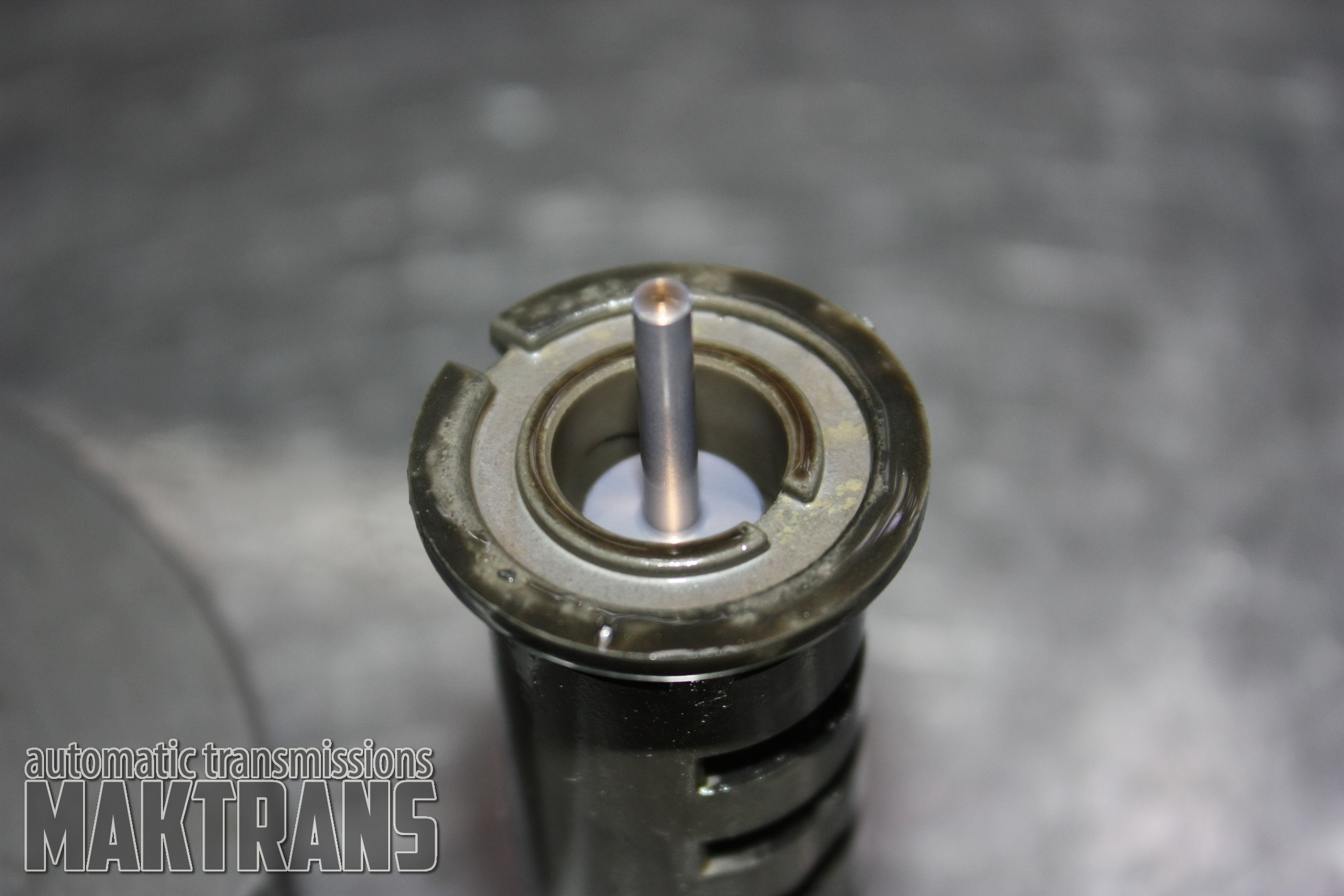
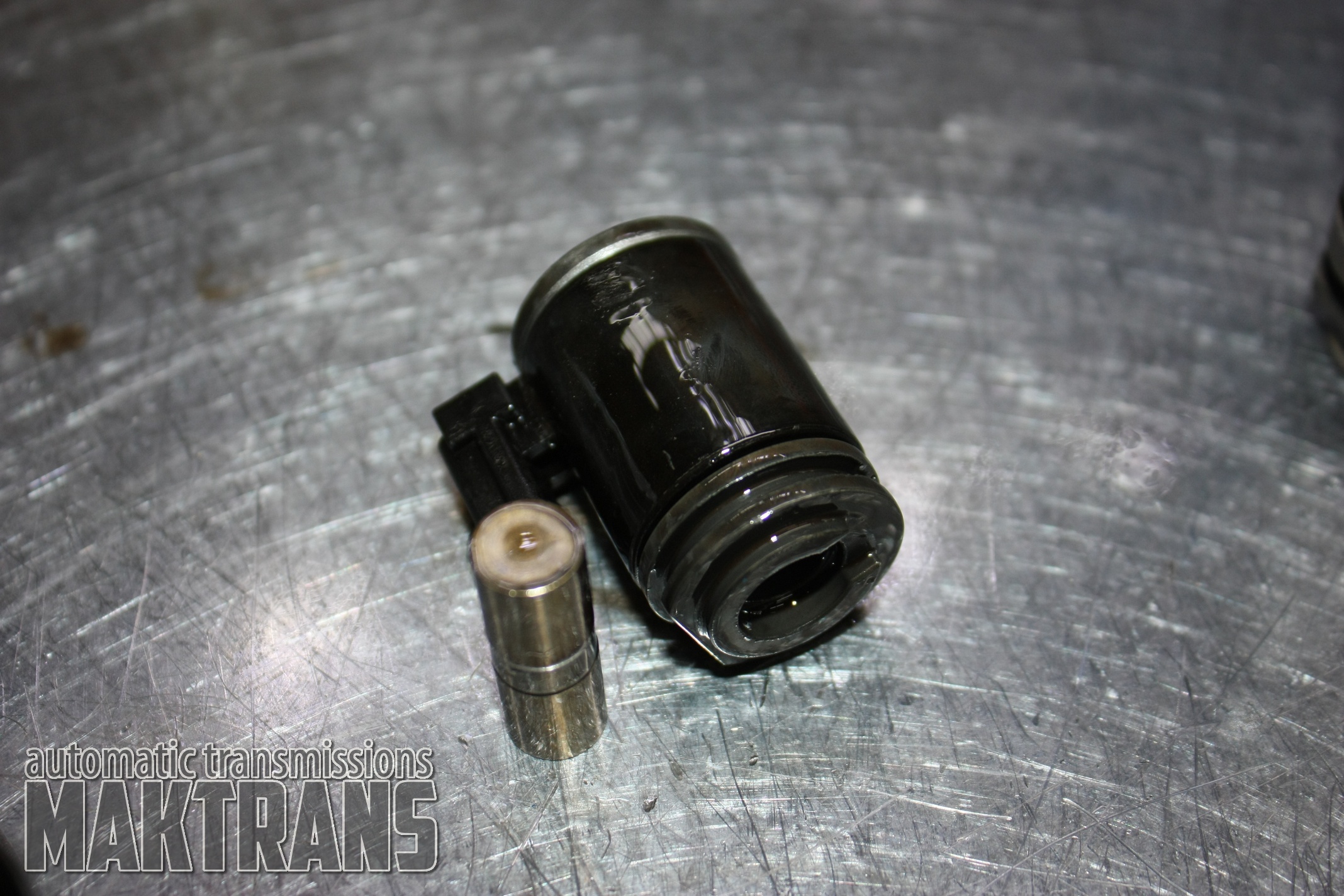
Inspecting the solenoid parts for the presence of wearout. In this case, we will definitely change the plunger to a new one.
 |
 |
 |
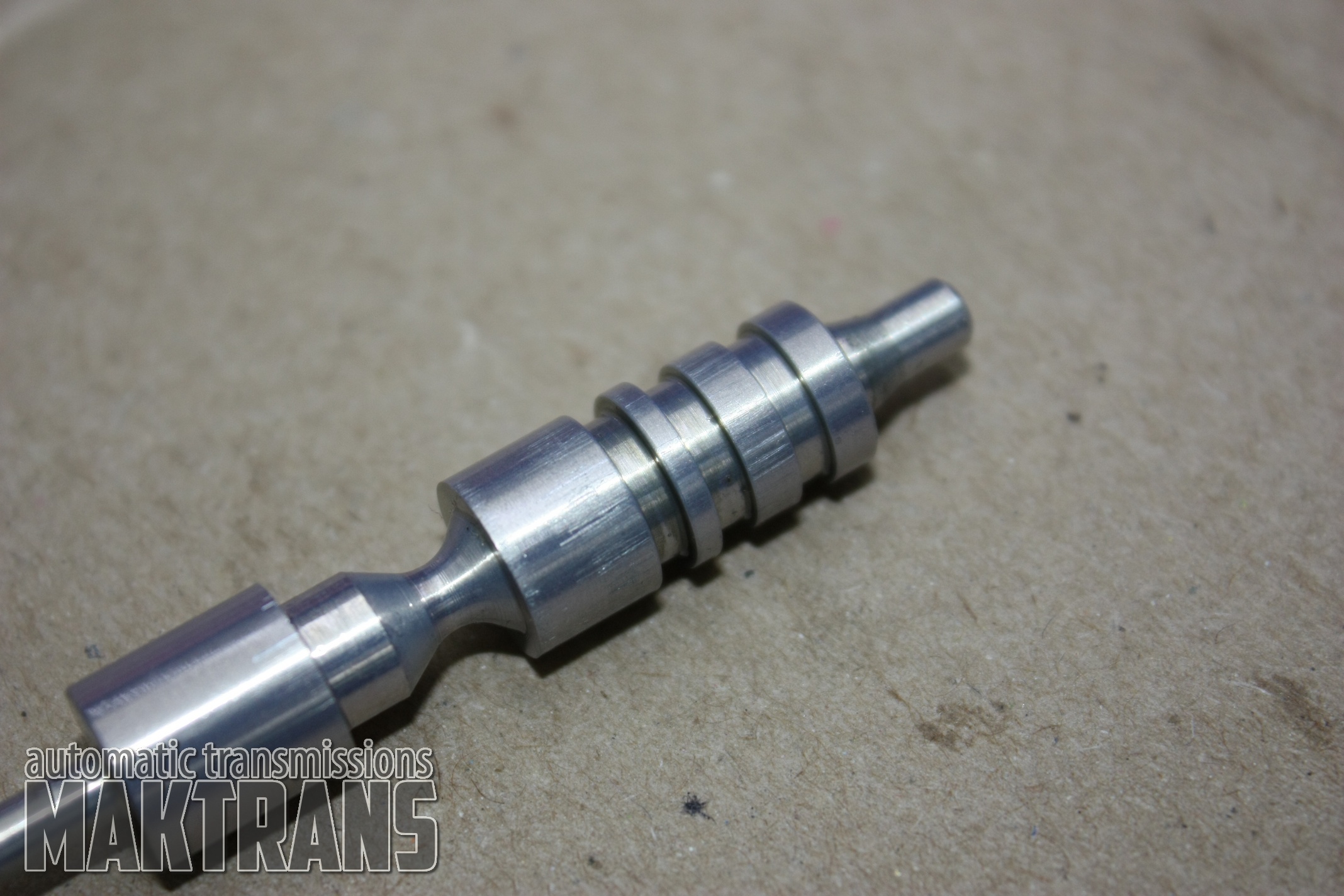 |
So here is a new plunger. We manufacture them oureselves on modern CNC machines. Material - aluminum alloy, coating - anodizing. According to the characteristics, our coating is much harder and more wear-resistant than the factory one, so that the restored solenoid will serve at least as much as the new original.
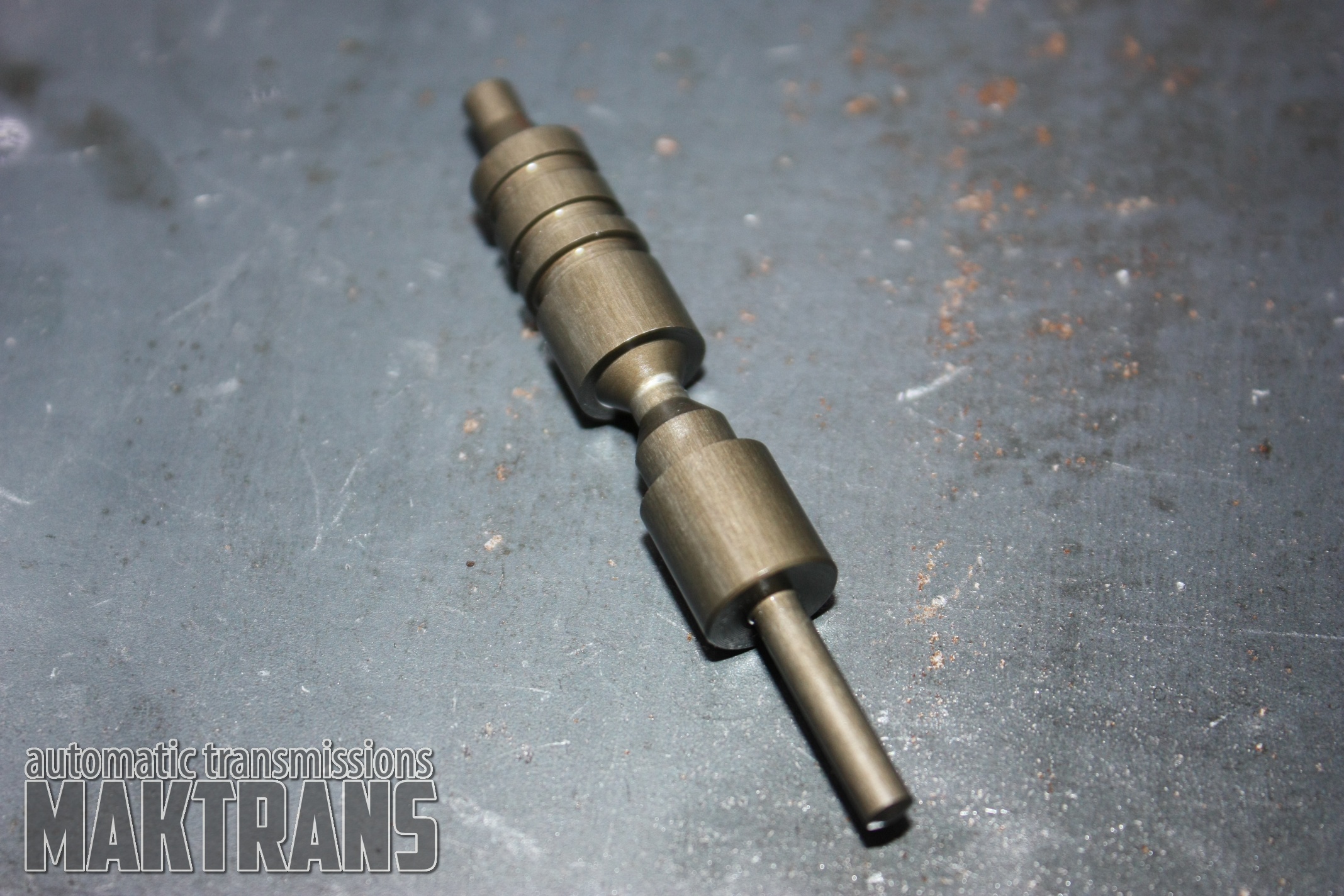
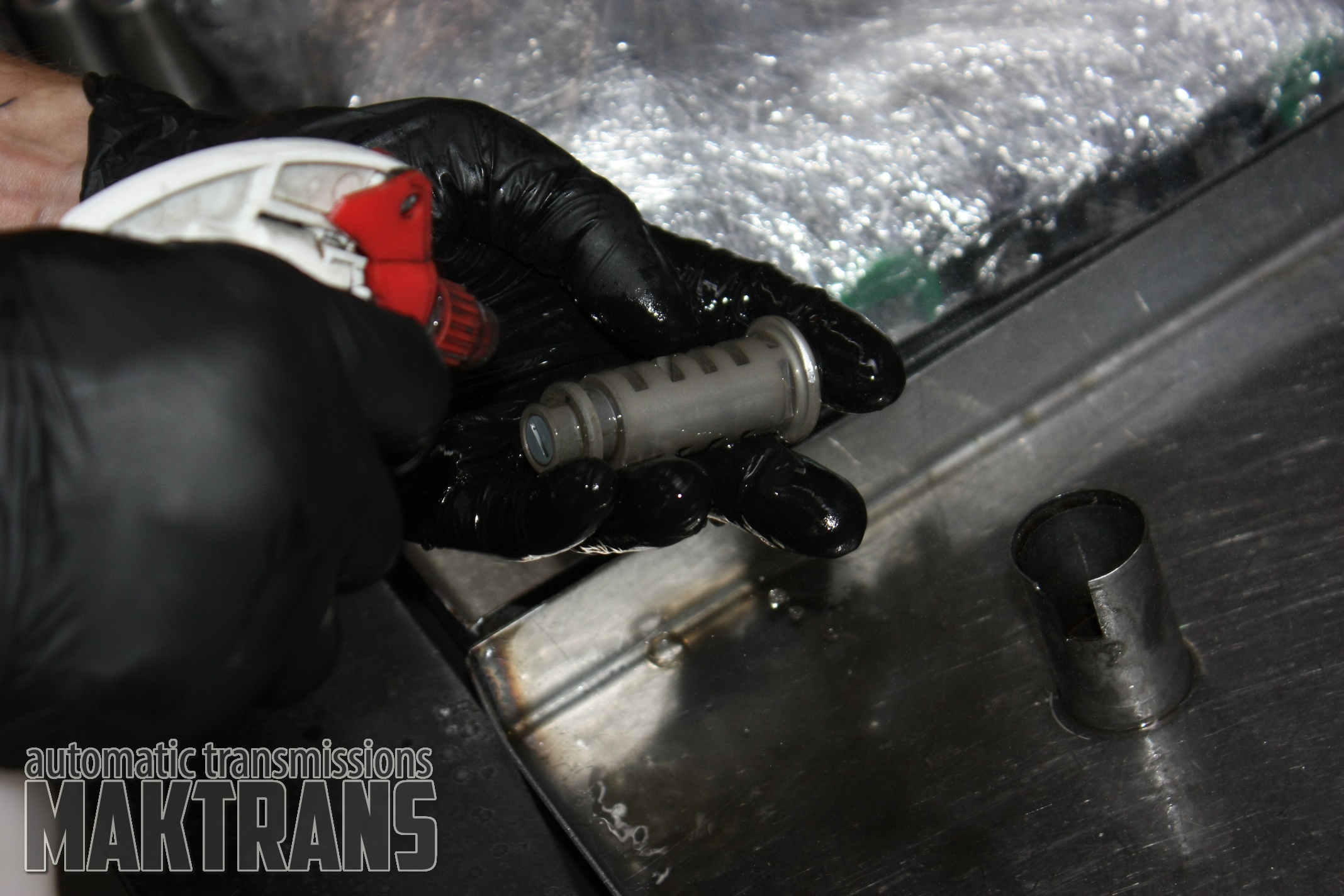
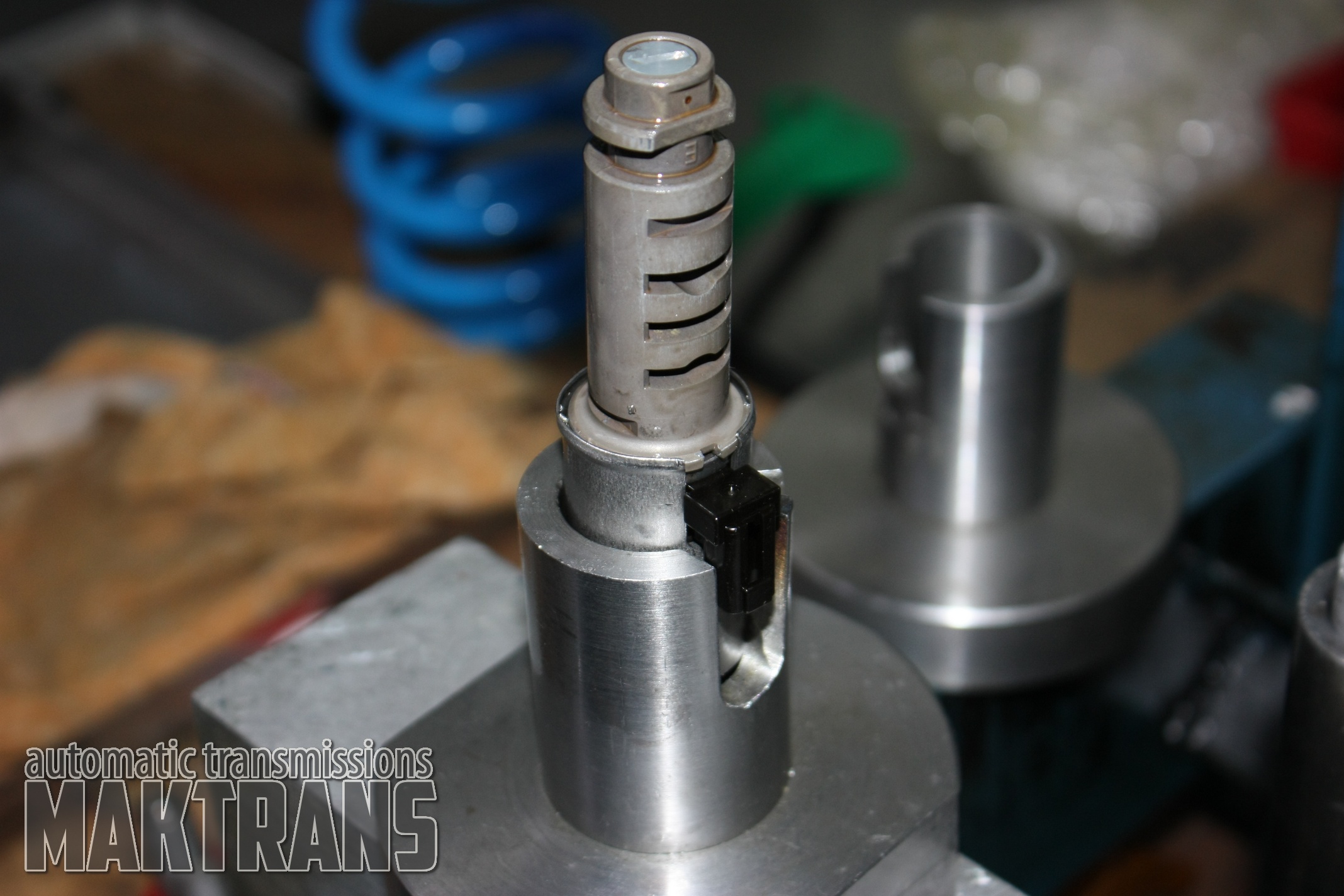
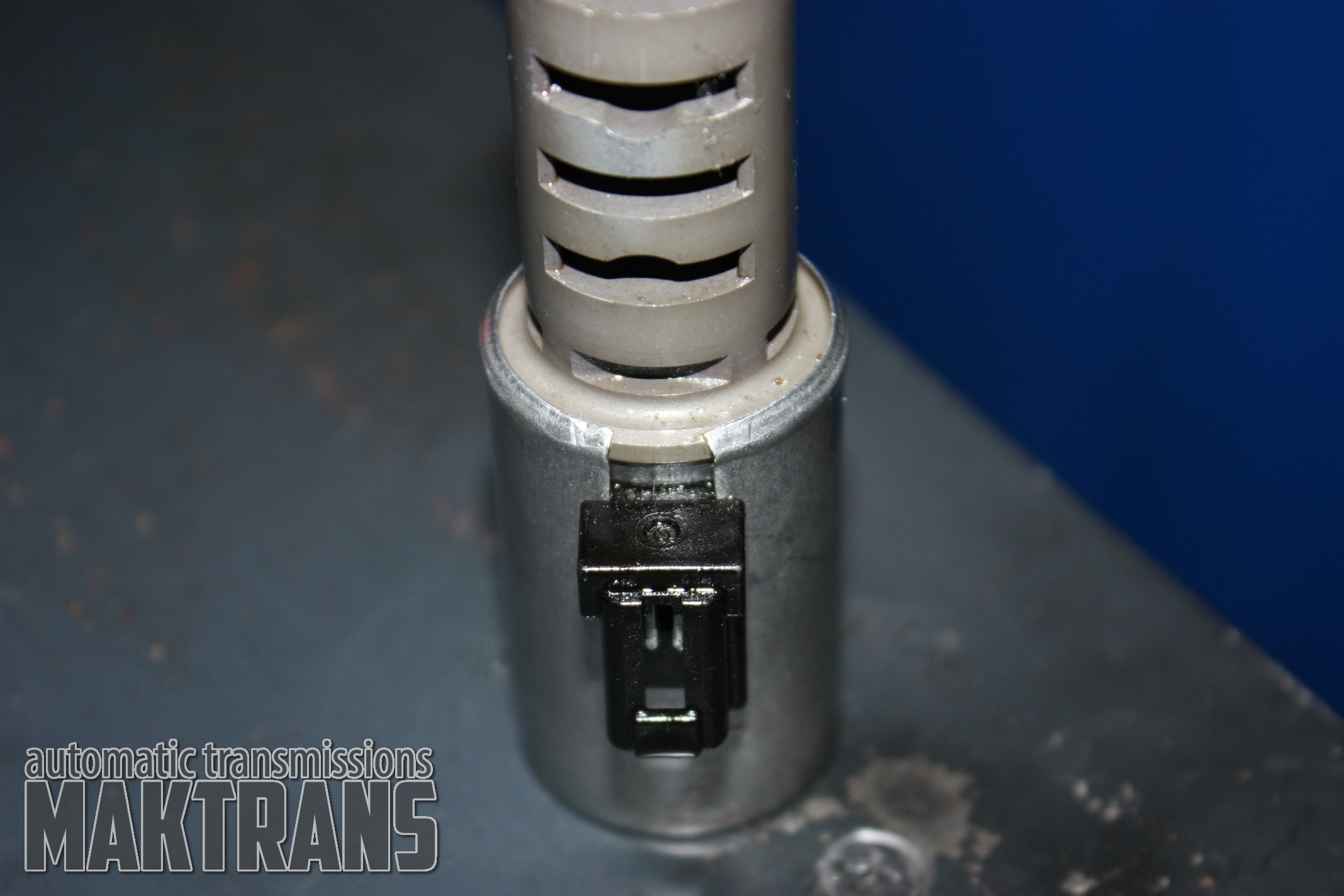
Now we can proceed to the assembly. The parts are thoroughly washed and the solenoid is assembled, then with the help of corresponding mandrels we close the case on the press.
 |
 |
 |
 |
Re-testing on the stand. The schedule is good, corresponds to the new solenoid characteristics.
 |
 |
This repair costs only 40$, which is a very profitable solution to the problem with solenoids. New solenoids are incomparably more expensive, and the purchase of used solenoids is always a lottery, as a rule, they will not work. In our case, we give a guarantee on the regenerated parts.
Any questions? The repair department will advise on any technical issues:
Warsaw Repair department
- +48 799 920753


- +48 574 515898